World Premiere

Marcus Garvey’s impact still reigns true throughout Jamaican music 'Happy 125th Birthday, Marcus Mosiah Garvey

“A reading man and woman is a ready man and woman, but a writing man and woman is exact,” the words of a true revolutionary who not only inspired his people to break through barriers, but a genre to serve as a conduit for said people seeking hope and success within an increasingly complicated system.


125 years ago today, Marcus Mosiah Garvey was born, signifying the beginning of an existence that contributed greatly in Jamaica’s fight for an identity. Garvey’s undeniable influence not only motivated a then colonized society to battle again oppression but also igniting the Rastafari Movement as his words, “Look to Africa for the crowning of a black King” would reign true given the rise of Emperor Haile Selassie I.


As a result, Garvey’s words soon translated to lyrics as Reggae music took hold over a developing Jamaican culture, most notably in Redemption Song by the iconic Bob Marley as he quoted from a speech created by the legendary Jamaican orator. From Burning Spear to Peter Tosh, Marcus Garvey has been prevalent throughout Reggae music, creating waves for a new generation of artistes to speak out against society’s ills.


However, given the perceived decline of Reggae music’s status locally as well as the many negative connotations associated with Dancehall’s perception in recent years, it might be conceivable to think that even though Marcus Garvey’s messages continue to resonate well in some circles, they have become somewhat distorted as both genres took shape.


“I do not speak carelessly or recklessly but with a definite object of helping the people, especially those of my race, to know, to understand, and to realize themselves.”

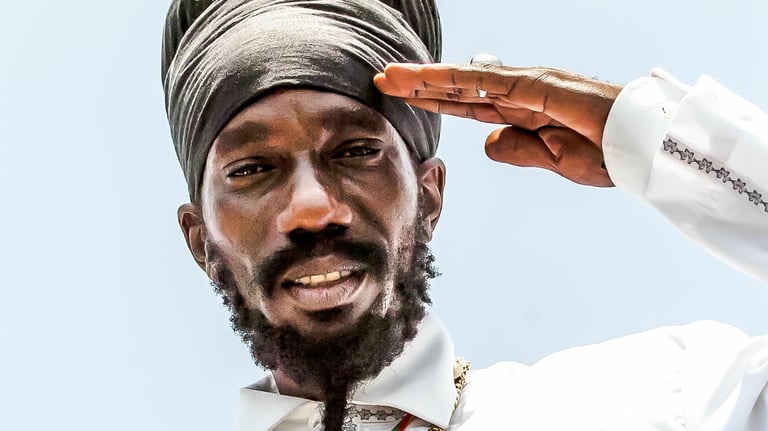
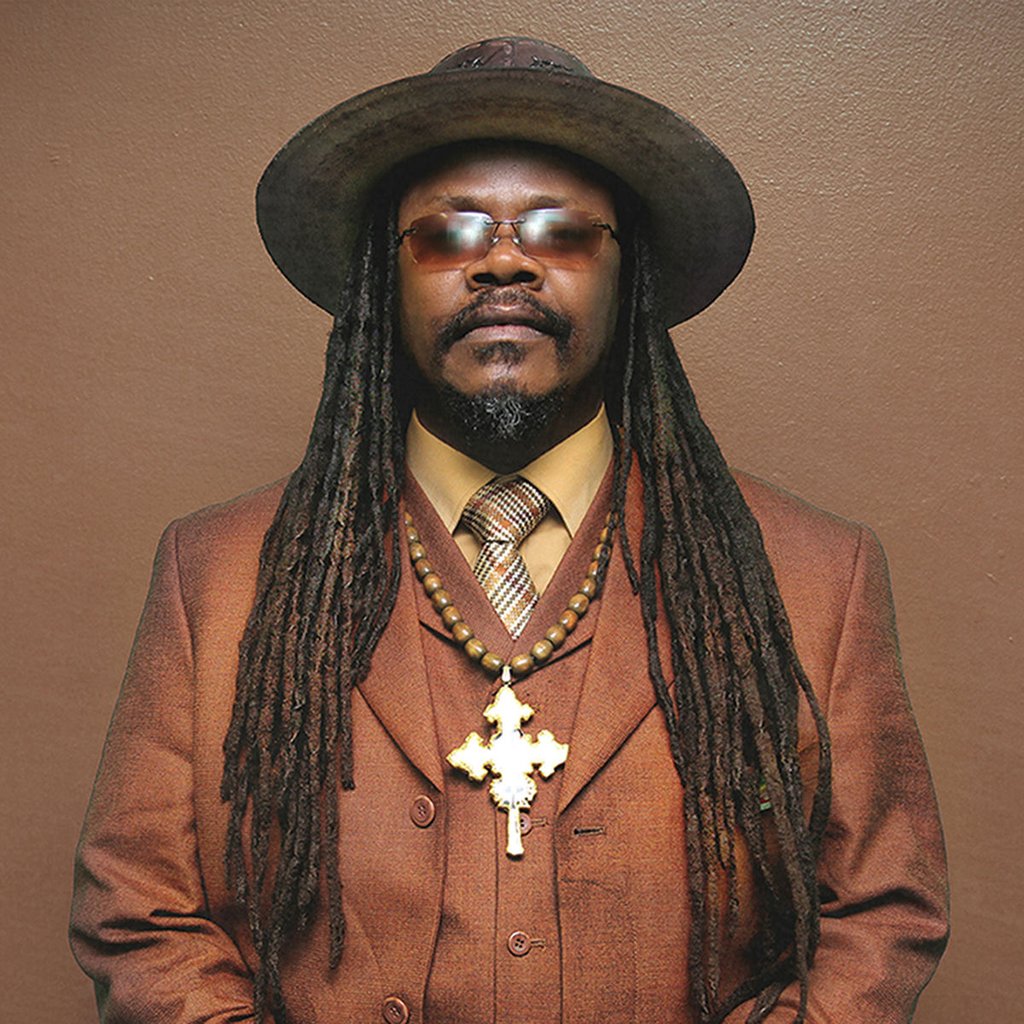
Garvey’s words are indicative of the musicians who not only use their platforms to speak their minds on life’s important issues but also to lead peaceful charges against ‘Babylon’ and their laws. Sizzla Kalonji, Buju Banton, Tarrus Riley, Queen IfricaEtana and the Marley family hail as ideal examples of that sentiment given the continuous significance that they’re words bring as their songs have always promoted unity while encouraging black people to trace their roots and pay homage to the Motherland, given the origin of their forefathers.


Some of Dancehall’s stars have also used their stages to openly promote black consciousness, namely Bounty Killer, Konshens and Vybz Kartel (back in the days anyway); pushing out thought-provoking efforts that offered a light at the end of the tunnel for poor people while motivating them to find purposes in life.


But, as the great Marcus Garvey said himself, “Having had the wrong kind of education, the Negro has become his own greatest enemy.” Unfortunately, those words have hit home as many of Jamaica’s musical stalwarts face complex predicaments at they languish behind jail cells, subsequently muted in their quests for musical glory. With the aforementioned Buju Banton serving a long-term sentence on drug charges while Vybz Kartel and Busy Signal face their own legal troubles, it’s possible to conjure the thought that these artistes have fallen into the very traps and schisms that they’ve long preached against in their songs.


While the details of their situations will forever be murky, it’s evident that some of the same evils that they ran away from when pursuing success have come back to haunt them, at some level.
Their troubles in some way speak to a greater problem as Dancehall music dangerously hovers over the fine line between a fun-loving, racy art form into a genre promoting vain rhetoric as ‘swag’ and women appear the only topics of conversation within a that surely possesses more range and versatility.


“The ends you serve that are selfish will take you no further than yourself but the ends you serve that are for all, in common, will take you into eternity,” perhaps serves as the best Garvey quote to fix the ongoing identity crises that our main genres face. Reggae and Dancehall have become the proverbial flag bearers for our culture, primarily due to the sounds and words cognizant with representing and promoting Jamaica in a light that makes our country appealing to the masses while representing an image that the island’s people can be proud of.


Though Jamaica’s artistes have their own motives once entering the industry, there should always be a level of forward thinking with our artistes. As Shaggy recently relented during an interview, not only do our artistes need visas but the songs as well in order to succeed. Once the concepts of Jamaican artistes start travelling to unlimited heights, then the music will eventually venture across the world’s airwaves, making us even more proud to wear the colors.


In so many ways, Marcus Garvey’s words are messages and, in some ways, indictments on the Dancehall/Reggae industry as they mirror the music’s culture and path over the last 50 years of Jamaica’s existence. Hailing as one of the island’s National Heroes, Marcus Garvey fought for missions and ideologies with undertones suggesting that while they may be too big for one to make happen, people shouldn’t dream small as a result. Given the imagination and creativity Jamaica entertainers possess, there’s no reason why these dreams can’t become a reality.

This article may be reprinted with permission so long as the following credit appears: © 2012 Jamrockvybz.com

If you use this article, you must include the reprint credits that are shown on the top and the bottom of the article. If you wish to modify any aspect of the reprint credit or article, you must first contact Jamrockvybz@gmail.com to request permission.

Views: 164

Tags: Articles, MarcusGarvey

Comment

You need to be a member of Reggae music: Jamrockvybz.com to add comments!

Join Reggae music: Jamrockvybz.com

Comment by SqueekyPLus on October 23, 2012 at 6:35pm

© 2013   Created by Jamrockvybz.com.

Badges  |  Report an Issue  |  Terms of Service

Related Posts Plugin for WordPress, Blogger...